Expert Workplace Disinfection
You must have regular cleaning scheduled according to risk factors, operational volume, allergen concerns, and regulatory checks, combined with verification documentation demonstrating HACCP compliance, regulatory audits, and public health standards. The following sections detail critical cleaning system elements.
Key Takeaways
- Sanitation experts in Brampton support restaurants, grocery departments, commissaries, warehouses, bakeries, schools, mobile vendors, and allergen-sensitive operations.
- They sanitize high-touch surfaces, food-contact equipment, kitchens, floors, drains, restrooms, and storage areas using compartmentalized approaches to prevent cross-contamination.
- Confirmation of proper chemical concentration, suitability, and contact time is conducted by qualified providers, with finalization documented using tests, audits, and remedial documentation.
- Maintenance calendars should respect danger, production volume, transitions, incidents, and requirements, with regular, recurring, and periodic duties allocated by zone.
- Opt for vendors with HACCP, health regulatory, competency, WHMIS, education, protection, testimonials, color-coded implements, and compliance-ready sanitation documentation.
What Brampton Establishments Require Food Safety Cleaning?
Any Brampton facility that manages, stores, prepares, packages, or serves food needs hygiene cleaning. You must implement it if your facility falls under public health review, food rules, or HACCP systems. That requirement covers food service venues, employee cafes, supply centers, retail departments, meat shops, fish areas, local stores, and institutional food prep areas.
You'll additionally need proper hygiene protocols in storage centers, processing facilities, refrigerated warehouses, bakery retailers, school nutrition programs, event halls, and delivery centers. Mobile and temporary businesses are included, including food trucks, festival vendors, and pop-up establishments. When your workers prepare supplies, portion finished foods, reheat items, or manage allergen inventory, your facility requires established hygiene documentation. In Brampton, hygiene stays compulsory; it comprises lawful, operational, and customer protection standards.
What Services Do Brampton Cleaning Experts Provide?
Your facility requires professional cleaners who sanitize all high-touch areas, cooking and food prep areas, all floor types, and restrooms for food safety and health code adherence. These zones receive attention because they represent the most significant contamination risk, hazardous walking conditions, and breaches of sanitation codes.
If you comprehend their cleaning services, you'll be able to confirm your operation satisfies required operational and regulatory standards.
Essential High-Touch Surface Sterilization
develop a sterilization plan
sample collection to verify sanitization efficacy
Food Prep Areas, Flooring, and Sanitary Facilities
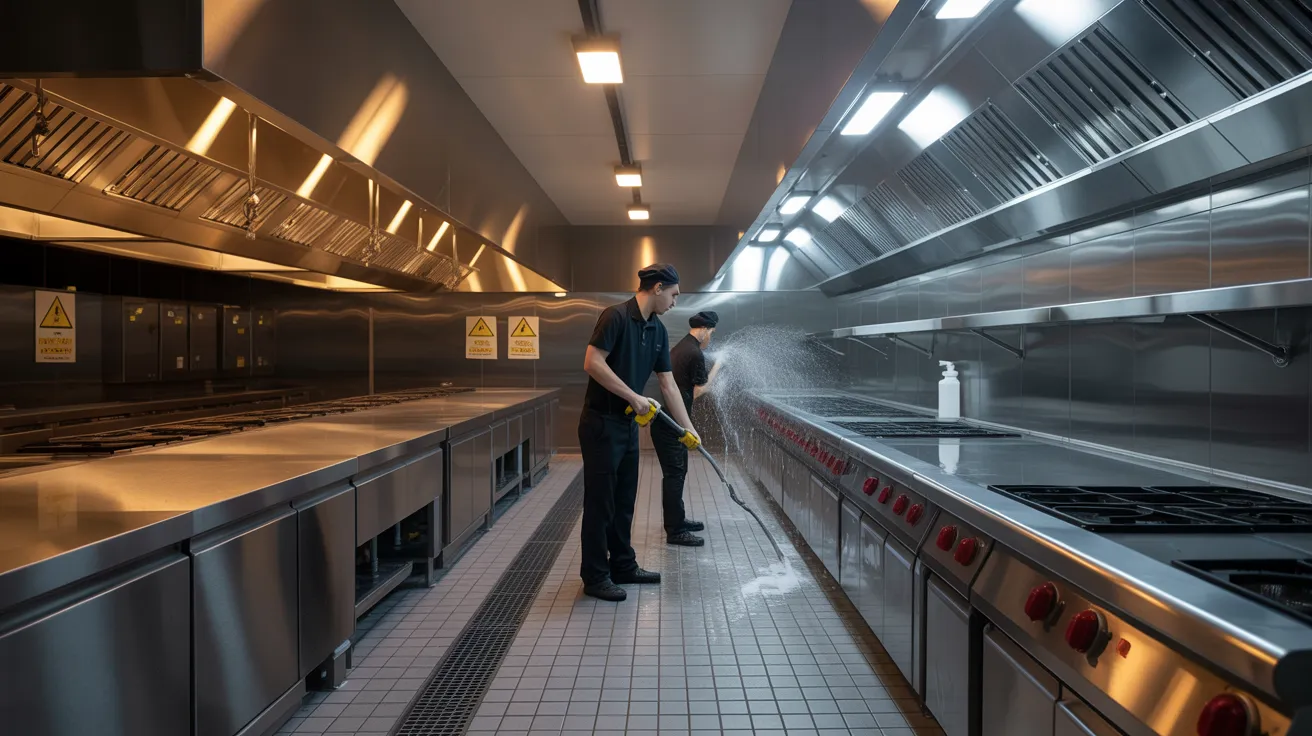
Professional cleaners in Brampton prioritize kitchens, floors, and restrooms given that each location involves distinct contamination control, slip-and-fall, and public health requirements. In industrial kitchens, you need grease removal from cooking stations, appliance surfaces, drain systems, preparation areas, and backsplashes to reduce contamination and pest pressure.
Floor care that is documented should equally be anticipated. Technicians clean and remove buildup from grout, tile, and vinyl flooring, then apply suitable dehydration methods so you can reduce slip incidents and meet regulatory standards. They also handle entryways where moisture and debris migrate indoors.
Restroom sanitation involves sanitizing touchpoints, fixtures, partitions, dispensers, and waste containers, replenishing amenities and managing odor. They also service restaurant moprooms, where chemical storage, sink hygiene, and drainage conditions can affect sanitation compliance and staff safety daily.
How Food Safety Cleaning Benefits Brampton Operations
Brampton operations require proper hygiene standards to fulfill health code requirements and pass audits. You also minimize bacterial spread through proper cleaning of food-preparation surfaces, appliances, and frequently-touched items. Most importantly, you safeguard community wellness by reducing the chance of food poisoning in your establishment.
Sanitary Standards Adherence
Since Brampton food businesses must follow mandatory safety protocols, your food safety cleaning directly determines your ability to meet health codes, ensure the safety of diners, and sidestep regulatory penalties. You must maintain sanitary food-contact surfaces, written maintenance records, proper chemical use, and traceable training practices that comply with municipal and provincial inspection expectations.
When inspectors assess your operation, they evaluate whether your cleaning procedures supports safe storage, machinery hygiene, trash control, and washroom maintenance.
Cross-Contamination Avoidance
Maintaining health code standards copyrights on your capacity to prevent cross-contamination during everyday food preparation and sanitation. You need to partition uncooked items from finished dishes, sterilize work zones between assignments, and position cleaning agents away from food surfaces. Clear procedures reduce transfer risks and support consistent compliance during inspections.
Building allergen isolation prevents key allergens from reaching common workstations, storage, or apparatus. Utilize dedicated cutting boards, color-coded tools, and precise instrument labeling so team members won't blend products in cooking or serving.Enforce handwashing after handling raw meat, seafood, eggs, or allergen-containing products. Refresh cleaning cloths frequently, and confirm sanitizer strength with test strips. When you train staff to follow these controls every shift, you foster a cleaner, more secure operation that exceeds Brampton's safety standards consistently.
Public Health Safeguarding
When sanitation protocols fails, you don't just risk a failed inspection—you increase the chance of foodborne illness impacting customers, staff, and the wider Brampton community. You also undermine your responsibility in safeguarding community wellness, especially in busy food facilities where contamination can spread quickly through surfaces, equipment, and touchpoints.
You must implement sanitation protocols that eliminate contaminants, effectively sanitize, and ensure effectiveness. This entails adhering to contact periods, utilizing authorized sanitizers, maintaining records, and coaching staff to meet health-unit expectations. These actions support pathogen control by reducing microbes before affecting food surfaces or hands. In Brampton, effective cleaning shields vulnerable populations, minimizes disease spread, and demonstrates accountability. MWAC When you maintain standards, you exceed requirements—you meaningfully lower danger and promote secure food service across the region.
In What Ways Does Cleaning Help Achieve Food Safety Compliance?
Committing to rigorous cleaning routines reinforces food safety compliance by reducing contamination risks, preventing pathogen multiplication, and keeping your facility aligned with sanitation requirements under HACCP-based programs and public health regulations. You confirm that food-contact surfaces appear visibly clean and microbiologically controlled, enabling documented preventive controls and inspection readiness.
Comprehensive cleaning additionally enhances allergen mitigation by extracting residues that can trigger undeclared allergen exposure. When you integrate approved sanitation protocols with standards training, your staff can execute established protocols, use approved chemicals appropriately, complete records properly, and respond to deviations in advance of issues intensify. Consistent cleaning enables supply chain documentation, confirms remedial measures, and demonstrates commitment in audits. It also helps you preserve product integrity, copyright operational compliance, and minimize the possibility of punitive measures, product recalls, formal complaints, and avoidable health hazards.
What's the Right Time to Schedule Commercial Cleaning?
cleaning routines or between work periods wherever food-contact areas, washrooms, and frequently touched surfaces
Managing regular tasks separately guarantees more effective planning.
How Do You Choose Brampton Cleaning Experts?
Evaluate providers first by sanitation compliance standards rather than cost. You must ensure each provider understands CFIA, public health, and HACCP-aligned expectations for your business. Request insurance proof, WHMIS compliance, staff training documentation, and supervision methods. Check technician awareness of cross-contamination risks, chemical handling, and documented sanitation practices.
You should also assess operational reliability and responsibility. Request references from food facilities in Brampton, then examine turnaround periods, corrective-action procedures, and communication standards. Confirm the company supports supplier audits and can present audit-ready records when regulators or third parties request evidence. Check whether equipment is maintained is performed, color-coded implements are used appropriately, and facility-specific risks are recognized. A competent service protects regulatory adherence, product integrity, and your brand reputation.
Which components are contained in a hygiene cleaning program?
Develop a written strategy that makes clear every sanitation responsibility, standard, and task before production begins. You should detail cleaning frequencies, approved chemicals, dilution rates, contact times, tools, and verification methods for each zone, surface, and piece of equipment. Incorporate pre-operational inspections, corrective actions, and employee training requirements.
Your plan should also address cross-contamination controls, waste handling, pest-prevention measures, and documented schedules for bathrooms, drainage systems, surfaces, and food-preparation zones. Explain how you'll keep raw and prepared foods apart, enable ingredient tracking, and maintain accurate allergen labeling through validated cleaning between product changes. You should assign accountability, maintain signed records, and review results against regulatory standards, HACCP controls, and customer requirements. When gaps appear, update procedures immediately and retrain staff.
Commonly Asked Questions
Will cleaning services handle nighttime hours at Brampton facilities?
If you manage regulated spaces, you'll also need documentation that enable inspections and ensure compliance.
Do Brampton cleaning experts offer hazard containment solutions?
Yes, you can expect many Brampton cleaning experts to provide hazard containment solutions. They manage hazardous materials, evaluate dangers, contain contamination, and start rapid decontamination to reduce exposure and operational disruption. You should verify arrival timeframes, training certifications, safety procedures, and disposal procedures. If your facility must meet health or food safety regulations, choose a provider that documents incidents, maintains regulatory procedures, and enables compliance verification.
Are eco-friendly disinfectants safe for food preparation areas?
Yes, green disinfectants can be appropriate for food preparation areas if you choose items marked food-safe and complying with regulations. You should verify application timing, concentration levels, and rinsing needs before use. Many plant based formulas decrease chemical burden, but you require confirmation of performance against target microorganisms. To keep surfaces residue-free, you should follow exact manufacturer guidelines and confirm the disinfectant satisfies food industry regulations.
Can cleaning plans adjust with seasonal shifts?
Absolutely, maintenance plans are customizable for seasonal production changes. Adapt schedules, labor allocation, sanitizers, and validation steps to correspond to seasonal patterns while sustaining compliance standards. Minimize production interruptions through planning disinfection surrounding line changes, peak volumes, and usage patterns. Also revise written procedures, employee training, and environmental testing to account for periodic risks, novel allergens, or higher contamination levels. Continuous reviews preserve your program efficient.
Do professional cleaning services train employees on hygiene standards?
Absolutely, professional cleaning companies frequently provide staff training on sanitation best practices. Your staff gets training on correct chemical handling, dwell times, cross-contamination prevention, equipment disassembly, and paperwork. They typically align instruction with HACCP, GMP, and CFIA or local public health standards. Many conduct health inspections to ensure adherence, identify gaps, and reinforce corrective actions. This helps you maintain consistent procedures, clear audits, and reduce food safety risks routinely.
Conclusion
When you partner with Brampton food safety and commercial cleaning experts, you aren't merely cleaning—you maintain your facility inspection-ready and your standards compliant. From kitchens to processing floors, every clean surface and maintained area minimizes unwelcome guests and avoid expensive problems. By scheduling service at the proper frequency and following a clear cleaning plan, you protect employees, patrons, and your reputation. In a tightly regulated environment, clean spaces are essential—they're part of doing business right.